
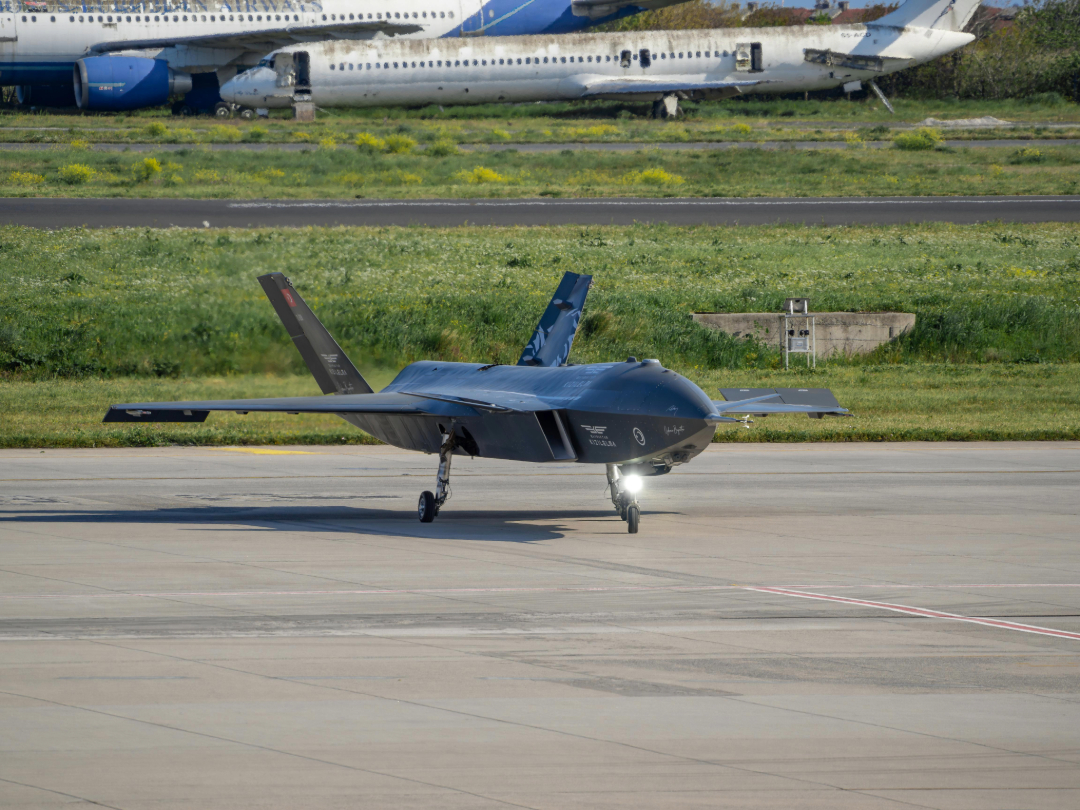





The air defense system employed by Saudi Arabia managed to intercept and destroy a drone hovering in proximity to the holy city of Mecca, according to military sources early Wednesday morning. Unmanned Aerial Vehicle Mecca
This interception took place south of the city before the offending aircraft entered the area around the holy site. Brigadier General Turki al-Malki from the coalition force highlighted that it is of utmost importance for Islamic holy sites and their pilgrims to be protected, and any necessary action will be taken to defend against any offending actions.
This is an indication of the rising levels of security in the region’s borders, considering the week of intensive offensives carried out in the southern border region. The incident is considered the second time military forces have intercepted an airborne asset directed toward the Mecca region, with a similar long-range projectile launch countered in mid-2017.
Representatives from the insurgent group operating out of Yemen publicly rejected responsibility for the direct targeting of religious sites, dismissing official reports regarding the trajectory of the intercepted craft. Meanwhile, international Islamic bodies, including the Jeddah-headquartered Organisation of Islamic Cooperation (OIC), issued statements expressing firm condemnation over repeated cross-border security breaches and reiterated solidarity with Saudi national defence measures.
The aerial threat prompted civil authorities to temporarily activate national early warning platforms across several western urban centers, including Mecca, Jeddah, and Taif. Emergency services briefly advised residents to remain cautious and adhere to official protocols before declaring the area secure, reflecting heightened domestic vigilance as regional forces maintain elevated monitoring along critical energy infrastructure and strategic maritime corridors.
The aerial incident coincided with broader precautionary security advisories issued across several administrative provinces within the Kingdom. Foreign diplomatic missions updated local travel guidance for their personnel, citing potential risks linked to regional airspace instability and ongoing strategic maritime friction along critical Red Sea trade corridors.
Authorities maintained normal operations across all civil infrastructure while keeping monitoring units on elevated alert status along vulnerable southern border vectors. MENA News Agency