





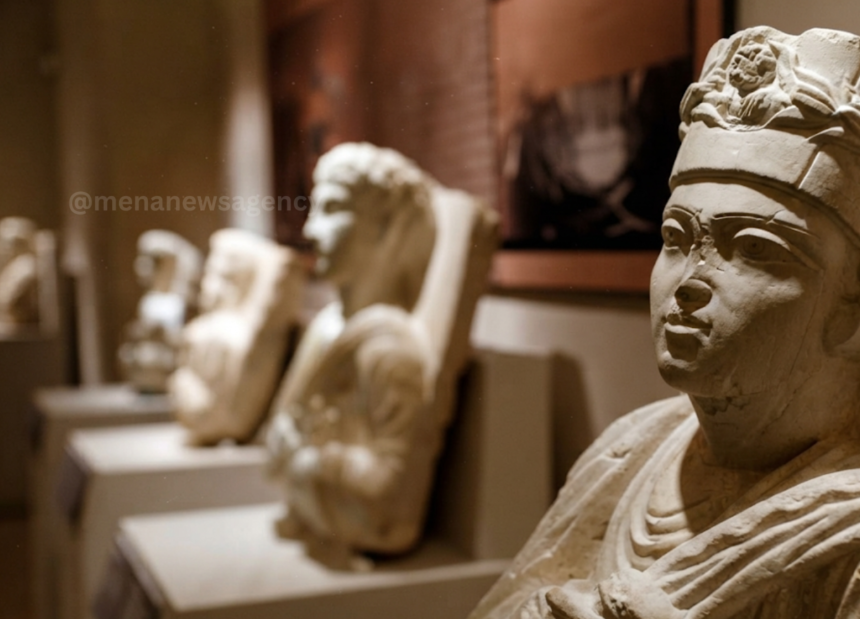

Three dozen historical artifacts have been restored to the Syrian government after American law enforcement seized them from prominent art collectors and cultural institutions. The collection, which is believed to be valued at over $5 million, includes an elaborate carved stone that was illegally taken from the UNESCO World Heritage Site Palmyra during the conflict period.
This case has helped restore these valuable assets from a number of sources, including the Metropolitan Museum of Art of New York and private art collections. These artifacts include a heavy stone artwork that weighs over 450 kilograms and illustrates a resting man together with a woman and three children. The piece was smuggled out of Palmyra prior to the widespread destruction inflicted on the ancient oasis city by militant groups between 2015 and 2017.
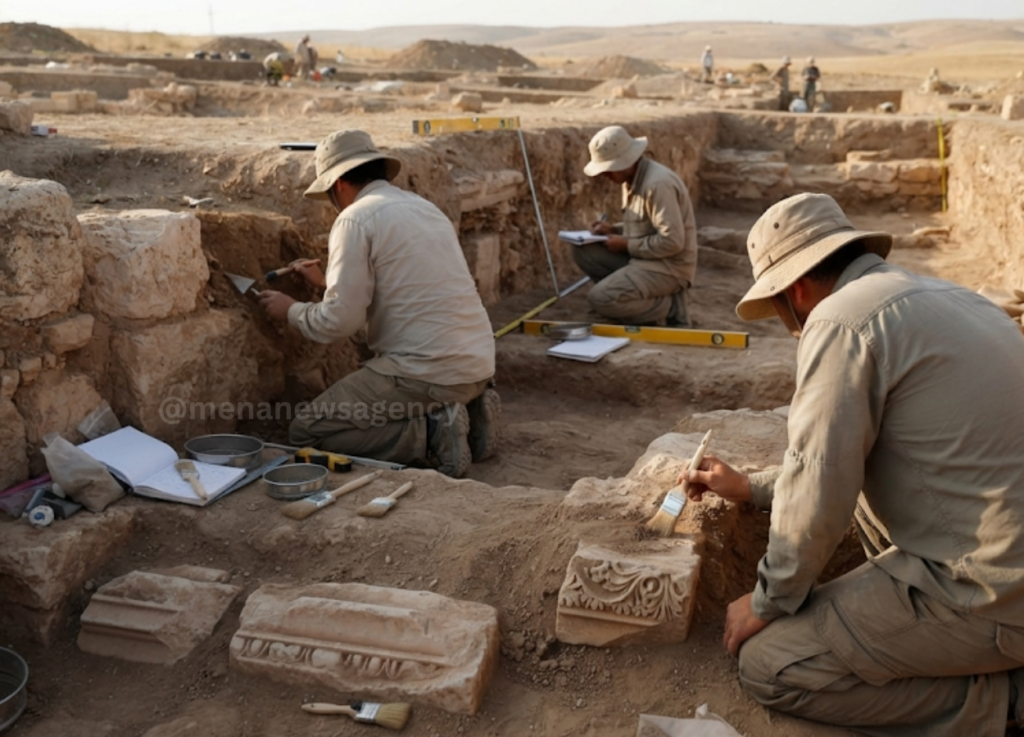
Official statements from law enforcement emphasized that international cultural heritage preservation remains a unifying global priority that extends beyond national frontiers. District prosecutors confirmed that thirteen of the seized items originated from the Metropolitan Museum of Art, part of a broader ongoing effort that has recovered over four hundred looted artifacts valued at nearly $99 million from the institution in recent years. Additionally, four historical items were retrieved from private collector Michael Steinhardt as part of a previous surrender agreement involving dozens of global antiquities.
Syrian diplomatic representatives in Washington expressed gratitude for the repatriation effort, highlighting how collaborative legal actions demonstrate that shared cultural preservation can foster constructive relations between nations. Officials noted that returning these priceless historical assets marks a crucial step toward restoring Syria’s lost heritage to its rightful public home.
The resolution adds to a series of global artifact returns executed by US law enforcement agencies, which continue to track and dismantle illegal international art trafficking rings across multiple continents. Antiquities investigators emphasize that combating illicit trading networks remains vital to preserving world history for future generations.