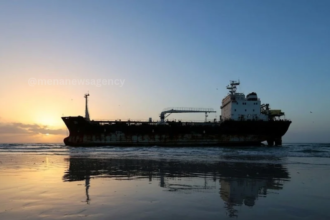





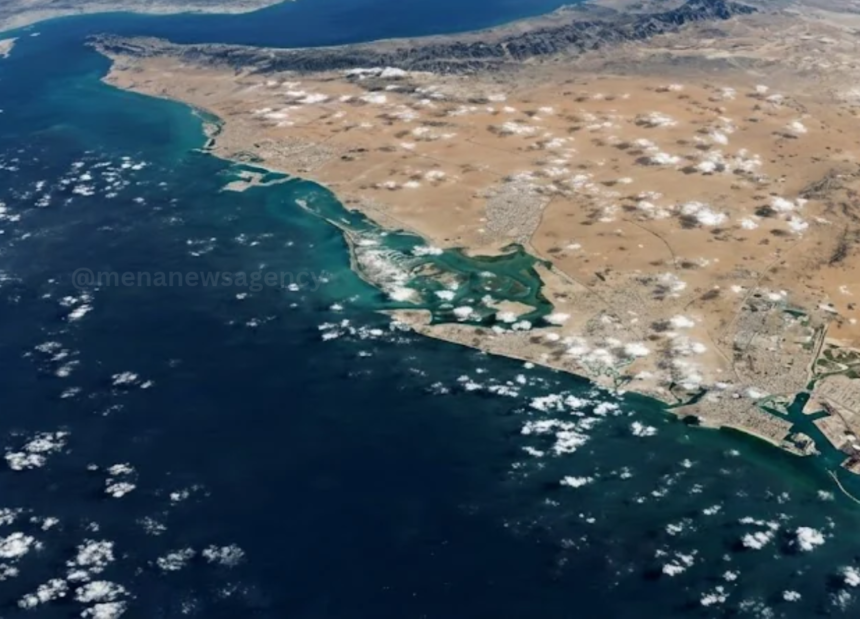

The expansion of oil contamination beyond the borders of the UAE coast has forced the government agencies to enforce a total ban on public access along numerous northern coastlines. The satellite imagery of the environmental observation system detected that the expanding slick, whose source is a damaged commercial ship, has drifted quite close to the coast of Umm Al Quwain and surrounding emirates. In light of the growing environmental danger, the authorities decided to impose a ban on public access to the coast indefinitely.
Industry analysts have determined that the commercial tanker Gem No. 2 is the origin of the environmental disaster. Maritime trade records indicate the vessel sustained structural damage and an onboard blaze following an unidentified projectile strike earlier in the month while navigating regional waters near the vital Strait of Hormuz chokepoint. Although federal agencies have not officially attributed blame for the initial vessel strike, independent security think tanks note that October has witnessed a sharp escalation in commercial shipping hazards amid regional hostilities involving Iran, Israel, and the United States.
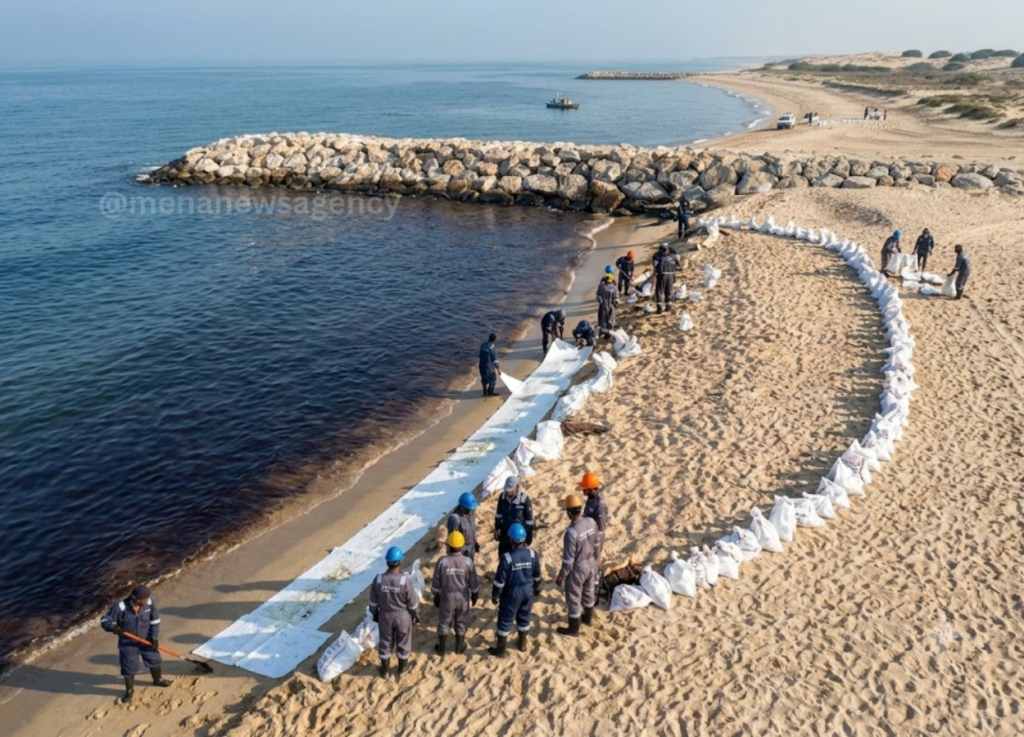
The Ministry of Climate Change and Environment deployed specialized technical assessment teams to track the movement of the crude discharge and initiate immediate containment operations. As dark oil deposits washed ashore along sections of the northern coastline, local governing bodies acted swiftly to protect public health and safety. Officials in Umm Al Quwain announced the total closure of municipal beachfronts, while Sharjah authorities restricted entry to Al Hamriyah Beach. Furthermore, administration officials in Ras Al Khaimah confirmed that all public shores within the emirate would remain cordoned off until comprehensive remediation is finalized.
Environmental scientists and marine protection specialists have raised serious concerns regarding the vulnerability of local ecosystems. Gulf waters support a highly diverse marine habitat recognized by conservation organizations as hosting more than five hundred distinct fish species alongside fragile coral reef ecosystems, dolphins, and endangered sea turtles. Experts emphasize that swift inter-agency containment measures remain vital to mitigate long-term damage to regional biodiversity while security agencies monitor ongoing maritime threats along vital Gulf trade routes.