


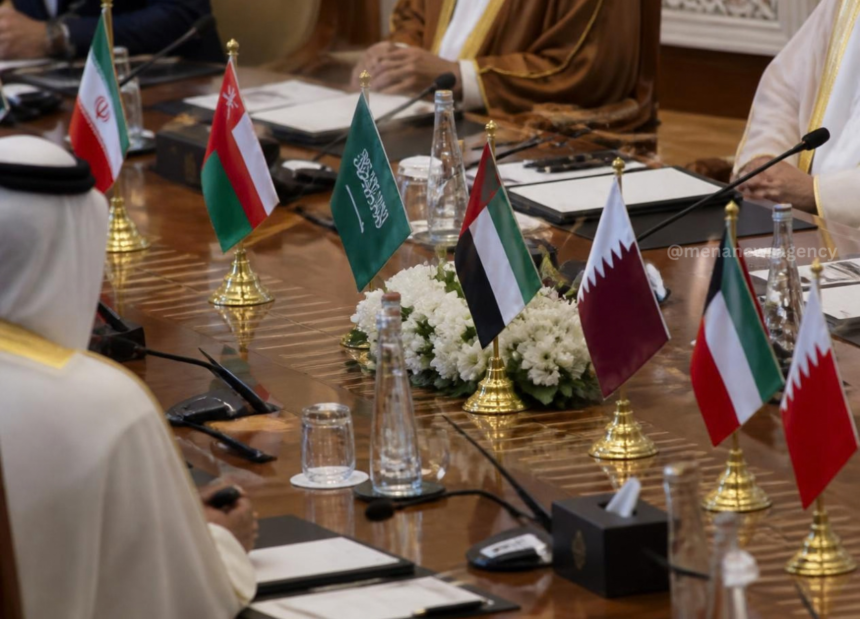

Ministers for foreign affairs of the Gulf Cooperation Council (GCC) are set to convene in the coastal Omani city of Salalah on Monday to conduct talks with their Iranian counterpart, Abbas Araghchi, as attempts to resolve the crisis and restore commercial passage through the Strait of Hormuz become more earnest.
This diplomatic move, led by Oman, aims to reach an agreement on a temporary solution that would ensure that the strategically important waterway is opened for the global flow of energy and goods. It is the first official diplomatic engagement of the six-nation GCC and representatives of the Iranian regime since the conflict between the US and Iran escalated this year.
Discussions will center on a proposed interim arrangement negotiated between Muscat and Tehran, under which commercial vessels would transit through specifically designated maritime corridors—entering via Iranian territorial waters and exiting through Omani channels—to effectively bypass ongoing military friction. Gulf diplomats hope the temporary mechanism will alleviate severe global supply chain disruptions and stabilize volatile energy markets while broader geopolitical negotiations continue.
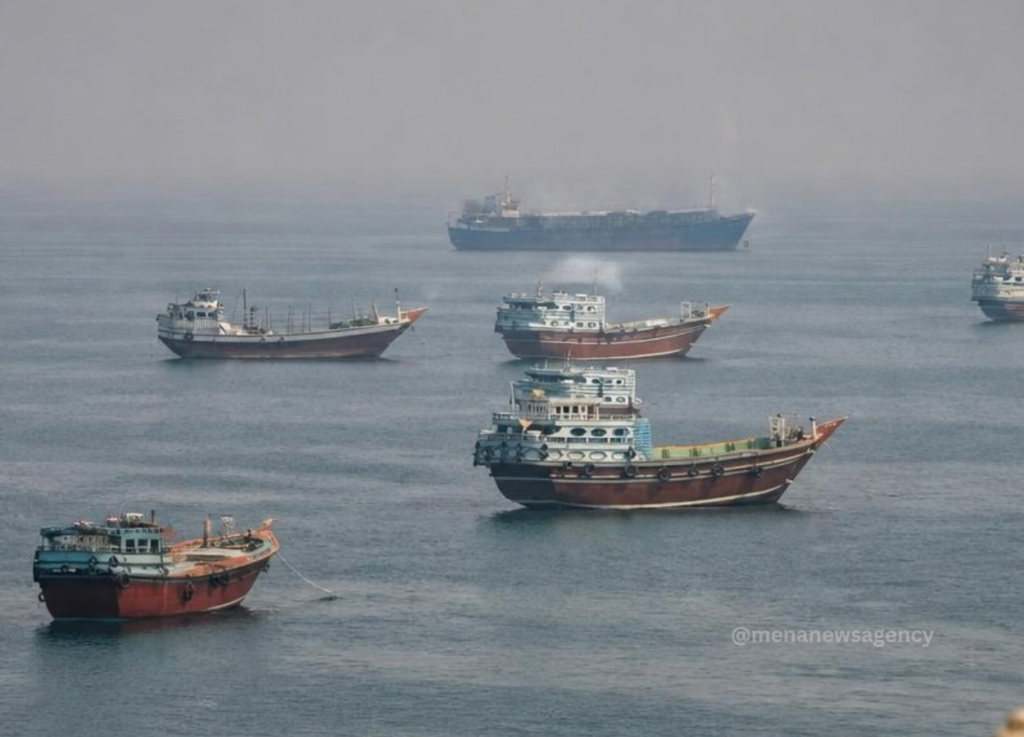
Maritime traffic through the strategic choke point, which historically accounts for roughly 20 percent of global petroleum supplies, has plunged to near-historic lows. Although select vessels continue to transit under naval escort, total cargo throughput remains heavily restricted due to heightening security risks and regional blockade measures.
Diplomats caution that enduring long-term maritime stability will ultimately require a formal, multi-lateral consensus involving Washington, which continues to enforce sanctions and maritime blockades against Iranian ports. Nevertheless, member states including the United Arab Emirates and Saudi Arabia are actively prioritizing regional diplomatic engagement.
By maintaining open lines of communication, Gulf nations aim to minimize immediate economic fallout, safeguard critical trade infrastructure, and mitigate the threat of broader security escalation across the southern Gulf region.