





Shipments of Middle East crude oil have bounced back beyond their pre-conflict numbers amid continued risks in the Strait of Hormuz, as per the latest shipping information that has been revealed. According to shipping information provided by Kpler, other channels have enabled energy companies in the Middle East to continue exporting important global supplies. Middle East Oil
Maximum daily shipments were recorded between 19.5 million and 22.5 million barrels a day in late September. This figure is way past the numbers that had been recorded before the current escalation of tension in the region. The seven-day moving average remained steady at 18.5 million barrels a day at the beginning of October. The rebound reflects a dramatic operational pivot following the initial supply shocks that hit Middle Eastern energy channels earlier this year.

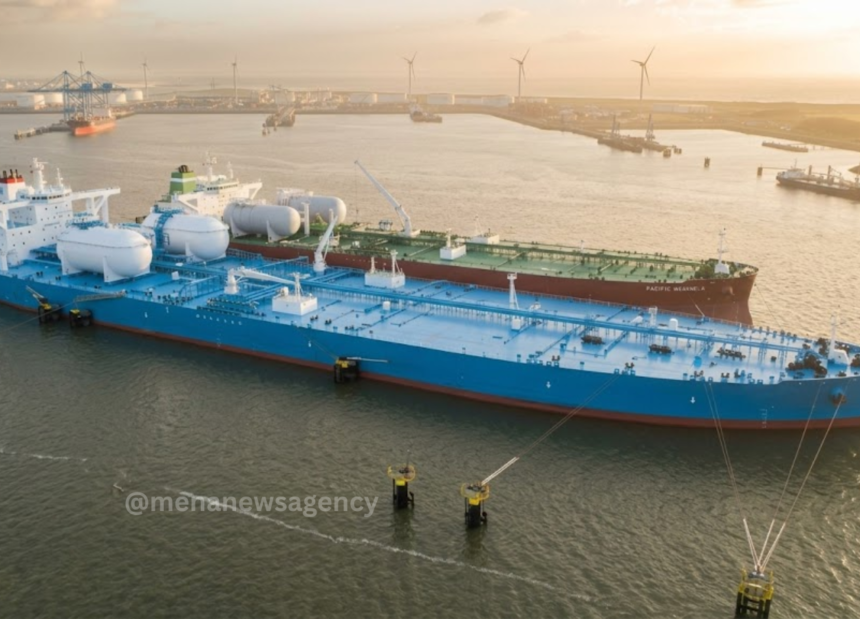
To maintain export momentum, major producers have fundamentally altered their logistics pipelines. Historically, more than four-fifths of regional oil exports navigated directly through the narrow Strait of Hormuz. By September, however, roughly 40 per cent of crude shipments bypassed the choke-point altogether. Energy exporters in Saudi Arabia and the United Arab Emirates have scaled up utilization of overland pipeline infrastructure and alternative sea terminals, while expanding ship-to-ship transfers in open waters such as the Gulf of Oman.
While these workaround mechanisms have preserved overall export volumes, maritime experts caution that the new operational model introduces significant logistical friction. The heavy reliance on offshore ship-to-ship transfers requires Very Large Crude Carriers to act as shuttle vessels, prolonging transit schedules and driving up freight expenditures. Furthermore, persistent security risks near primary waterways keep the regional maritime supply chain exposed to potential disruptions, even as flow volumes demonstrate resilience.
In response to these structural bottlenecks, industry analysts project that Gulf energy producers will accelerate capital investments in permanent onshore bypass routes. Securing long-term pipeline expansions to major Indian Ocean ports remains a critical strategic priority for regional governments striving to insulate international market access from future maritime flash points. MENA News Agency