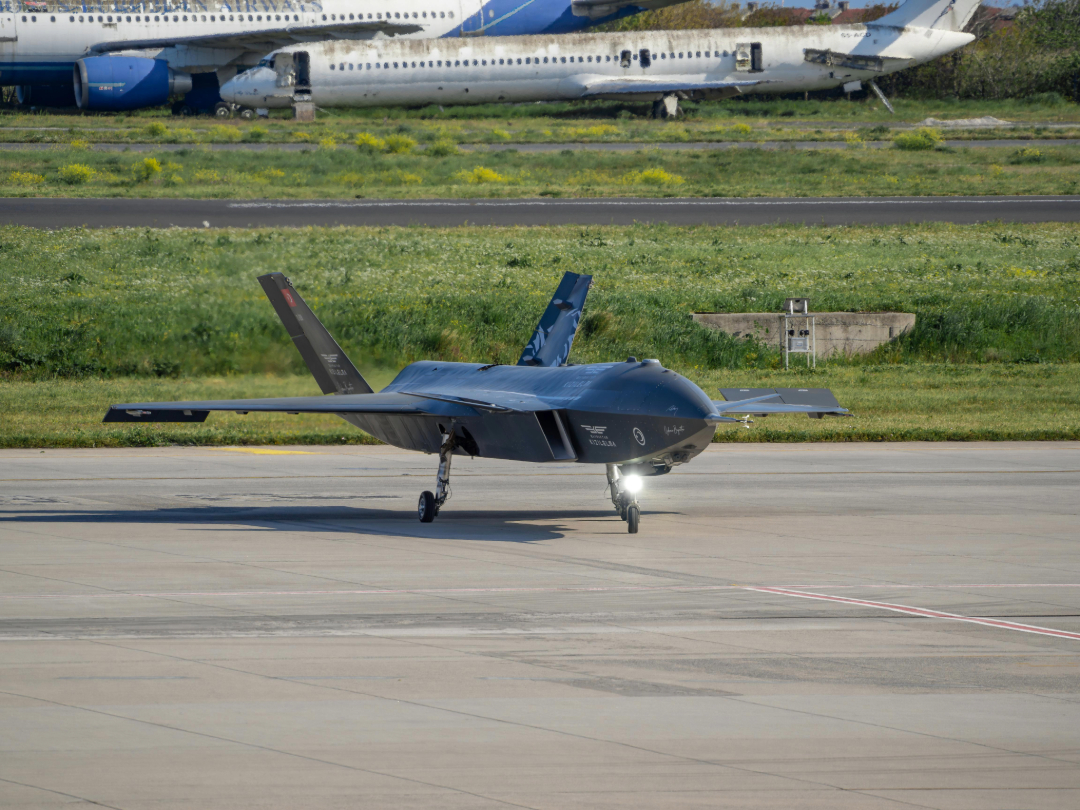



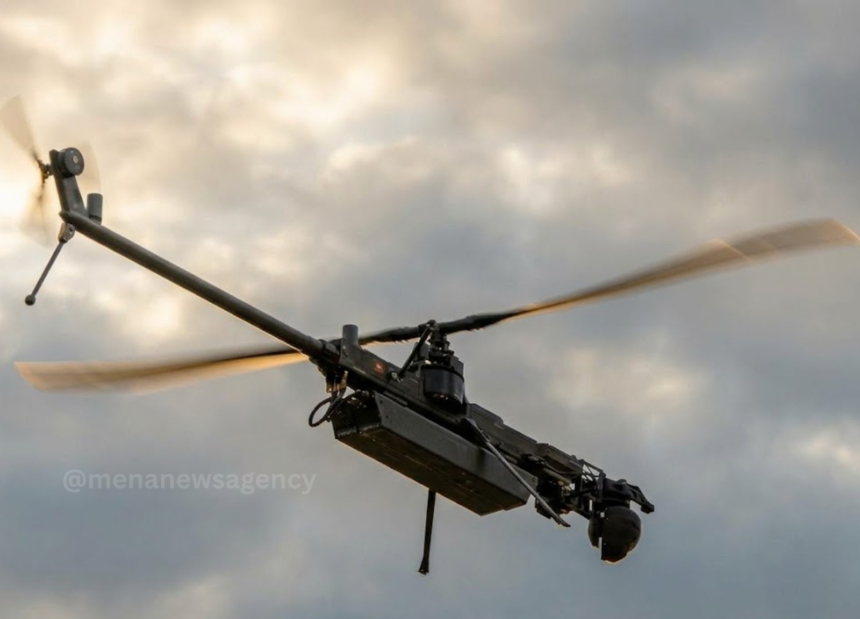

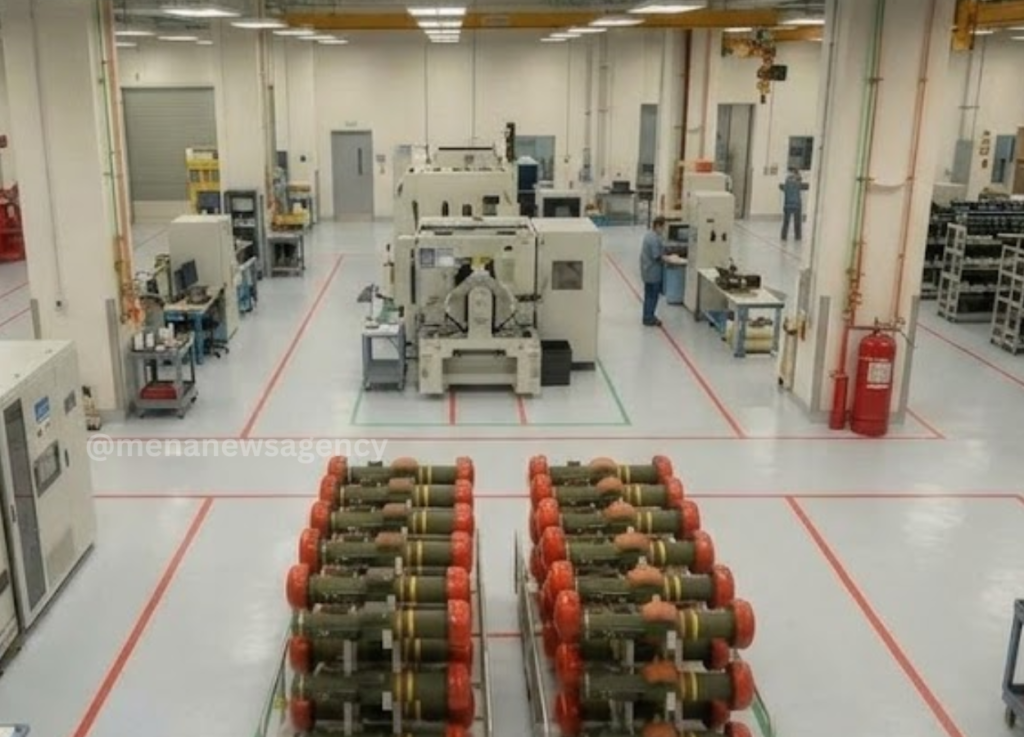
The US government has approved a huge $1 billion arms deal between the US and the United Arab Emirates involving the supply of sophisticated guided rocket technology. In this new agreement, the Gulf nation will be supplied with up to 10,000 pieces of the Advanced Precision Kill Weapon System (APKWS) guidance kits that will greatly boost its defensive capabilities.
The US government has stated through its Department of State that the procurement of these arms would promote common foreign policies and at the same time enhance the defense capabilities of one of its major allies in the Middle East region. The official defense experts have explained that these rocket conversion units can be used to convert ordinary rockets to guided rockets. This tactical upgrade provides an economical mechanism to neutralize uncrewed aerial vehicles, mitigating the heavy expenditure associated with deploying standard large-scale air defense interceptors against lower-cost drone swarms.
Regional security dynamics have heightened the necessity for robust airspace coverage across Gulf Cooperation Council member states. Persistent aerial engagements and regional conflict threats from Iranian missile and drone barrages have driven increased demand for cost-effective air intercept equipment. Defense officials noted that the incoming technology will seamlessly integrate into current Emirati military operations, boosting operational cohesion and combat interoperability alongside allied American forces operating within regional theaters.
Simultaneously, American authorities approved a separate $400 million defense support package for Kuwait focusing on military maintenance. That supplementary deal delivers comprehensive repair, overhaul, and technical sustainment services for Kuwait’s existing Patriot missile defense grid, reinforcing homeland security infrastructure and protecting essential sovereign assets from incoming ballistic trajectories.
Together, these bilateral military agreements underscore Washington’s ongoing defense commitment toward securing Arabian Gulf security corridors. Foreign affairs experts observe that equipping strategic regional partners with modern defense platforms ensures long-term operational stability and deters potential hostile incursions across regional airspace.