





The United Nations Secretary-General Antonio Guterres has renewed appeals for a permanent ceasefire in the Gaza Strip, warning that the current conflicts in the region need to be ended before the third anniversary of the October 7 attacks.
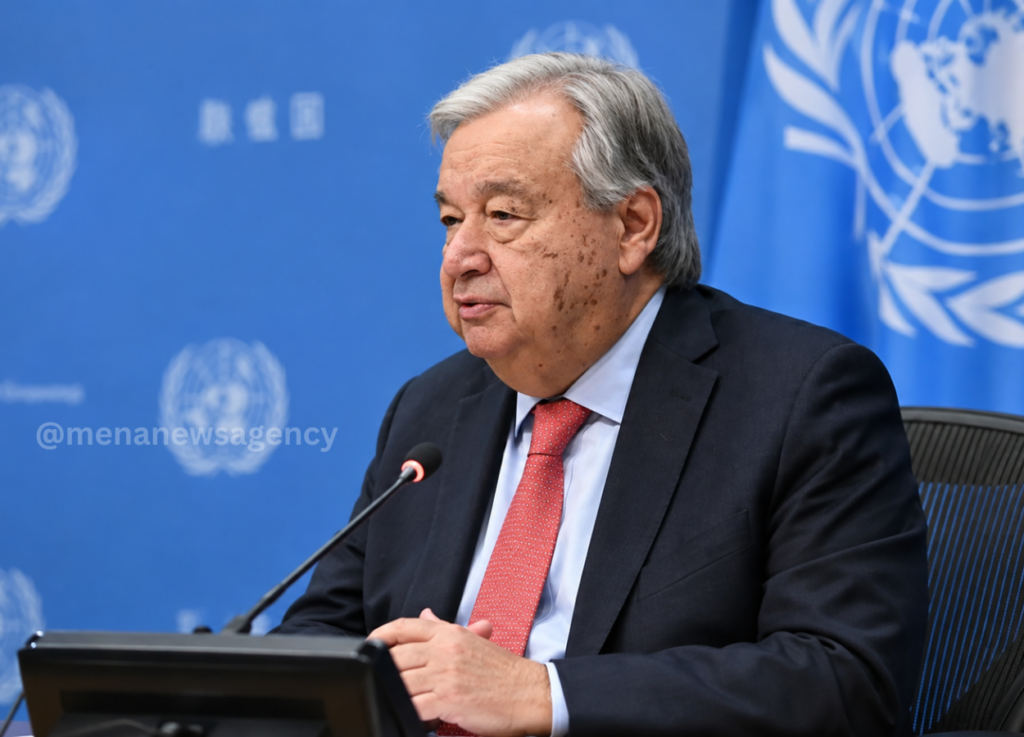
In his remarks made from the UN headquarters, the international diplomat highlighted the pressing need for immediate compliance with international laws as well as a surge in humanitarian assistance in the ravaged region. He added that the upcoming anniversary marks a critical juncture where the parties can move away from conflict and create a solution with two states.
Reflecting on the timeline of the confrontation, Guterres noted that an earlier temporary cessation of hostilities brokered in late 2025 offered limited relief to civilians, yet failed to secure lasting stability or rebuild basic infrastructure. Crucially, political negotiations remain heavily deadlocked due to conflicting security mandates. Israeli officials maintain that troop withdrawal hinges entirely on verified disarming measures in Gaza, whereas Palestinian representatives advocate for a phased disarmament sequence rather than immediate surrender.
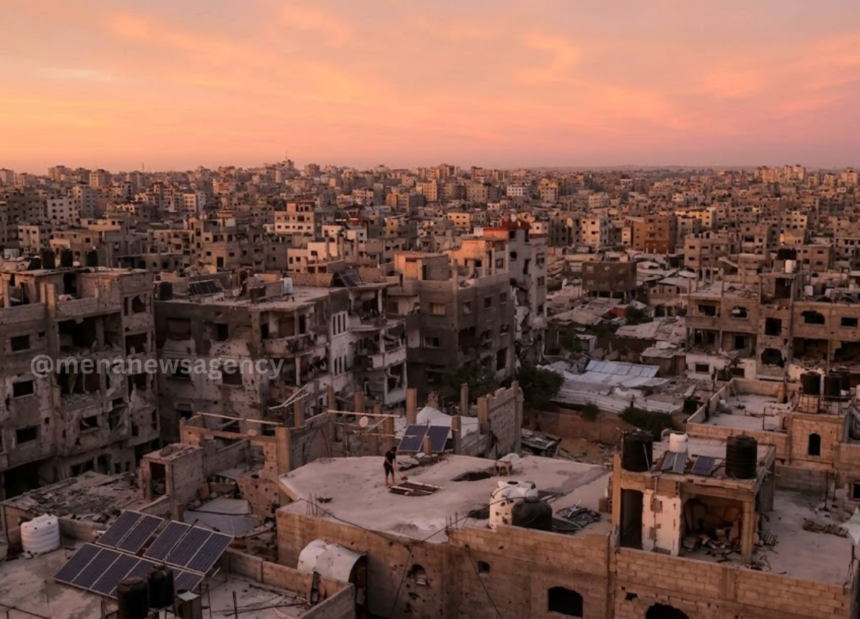
The humanitarian toll across the enclave continues to escalate, with health authorities confirming that civilian fatalities have surpassed 74,200 alongside widespread infrastructure damage. The wider regional theater has similarly expanded over the past three years, with military operational fronts extending into southern Lebanon and broader regional strikes involving international coalition forces.
Diplomatic pressure from regional mediator nations, including key Middle Eastern partners, continues to push for a sustainable breakthrough that can restore regional stability. International observers emphasize that a comprehensive peace agreement remains the only viable mechanism to restore critical civilian infrastructure, prevent further humanitarian catastrophes, and guarantee long-term security across the region.
Closing his address, Guterres pressed the international community to forge a practical diplomatic pathway capable of breaking the cycle of violence, reiterating that lasting security for both Israelis and Palestinians cannot be achieved through prolonged military engagement.