





The U.S. Department of State has issued an official directive for the evacuation of non-emergency U.S. government employees and their families from Saudi Arabia. The diplomatic withdrawal has been issued due to the rapid increase in hostility in the region because of the continuous attacks on vital civilian infrastructure through drones and missiles launched by the Houthi movement in Yemen.
According to the announcement of the security directive by State Department officials, the increasing number of hostile activities has greatly affected the local aviation systems and posed direct threats to civilians. The directive underscores mounting international anxiety over the spillover of the broader regional conflict, which continues to jeopardize stability, security, and global energy supply routes across the Arabian Peninsula.
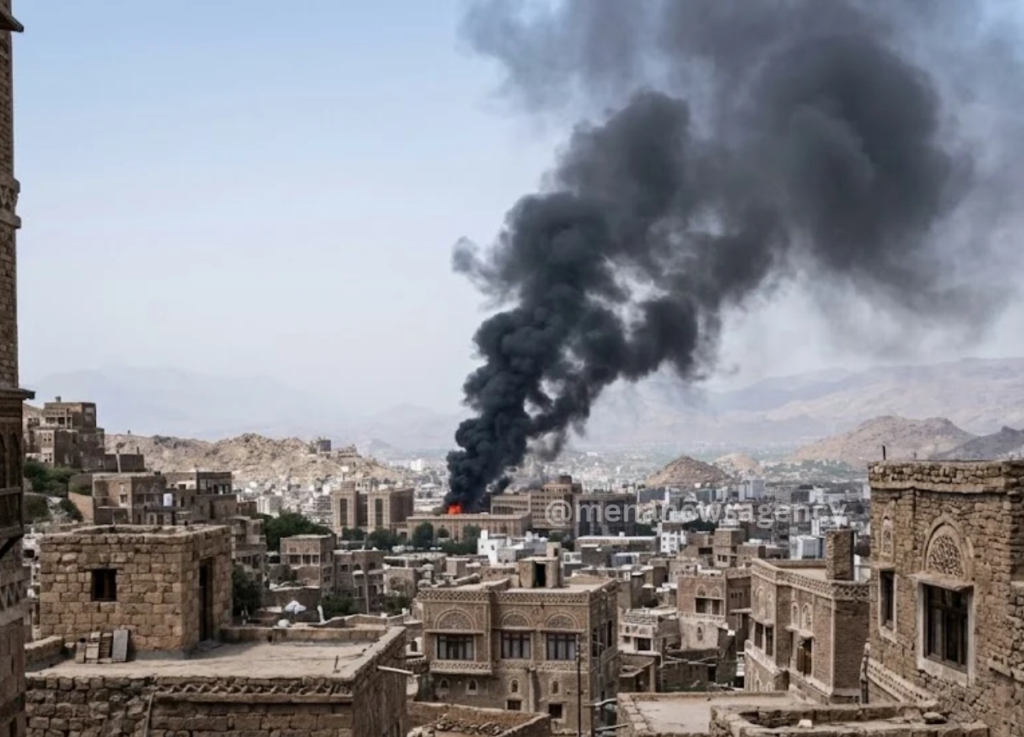
In tandem with the withdrawal ordered for Saudi Arabia, reports indicate that American diplomatic missions across neighboring Gulf Cooperation Council states are taking precautionary measures, directing family members of personnel to depart as a localized safeguard. The decision reflects deep apprehension within Washington regarding the safety of its diplomatic footprint amid an unstable security landscape. Regional authorities remain on high alert as defense systems actively intercept incoming airborne threats, though falling debris from intercepted projectiles has continued to cause civilian casualties and infrastructure damage.
Furthermore, security experts emphasize that these heightened defense measures reflect broader regional volatility, leaving defense networks in full mobilization to safeguard essential shipping lanes and key commercial centers.
The unfolding crisis highlights how the friction originating from wider Middle Eastern confrontations has opened volatile secondary fronts. For expatriates, diplomatic staff, and international businesses operating in the Gulf, the current climate demands heightened vigilance. As Washington continuously evaluates threat levels to protect its workforce, the immediate priority remains mitigating security risks and reinforcing defense measures to counter ongoing aerial aggression across strategic national territories.