


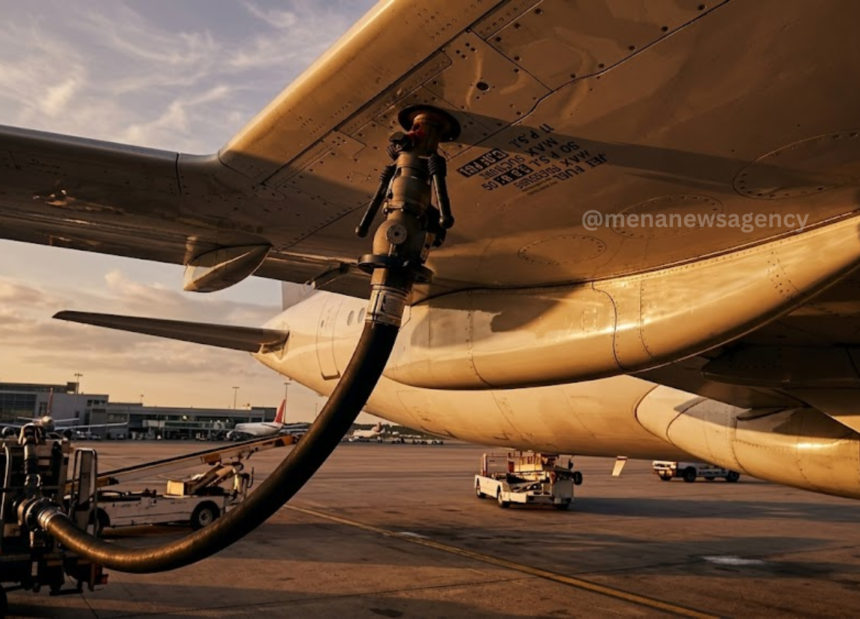

Europe is facing an imminent threat of a serious energy crisis in its aviation industry owing to the ongoing military conflicts between Iran, Israel, and the USA that have led to disruption of several crucial international sea lanes. Based on the estimates provided by energy consulting firm Energy Aspects, there will be an acute shortage of 510,000 barrels of jet fuel per day in the coming fourth quarter of the year for European countries.
Due to the mounting military tensions in the Middle Eastern region, almost half of the usual sources of fuel for aviation in Europe have been blocked. The crisis arises at a very delicate period of the year when the airlines of Europe are gearing up for peak travel season.
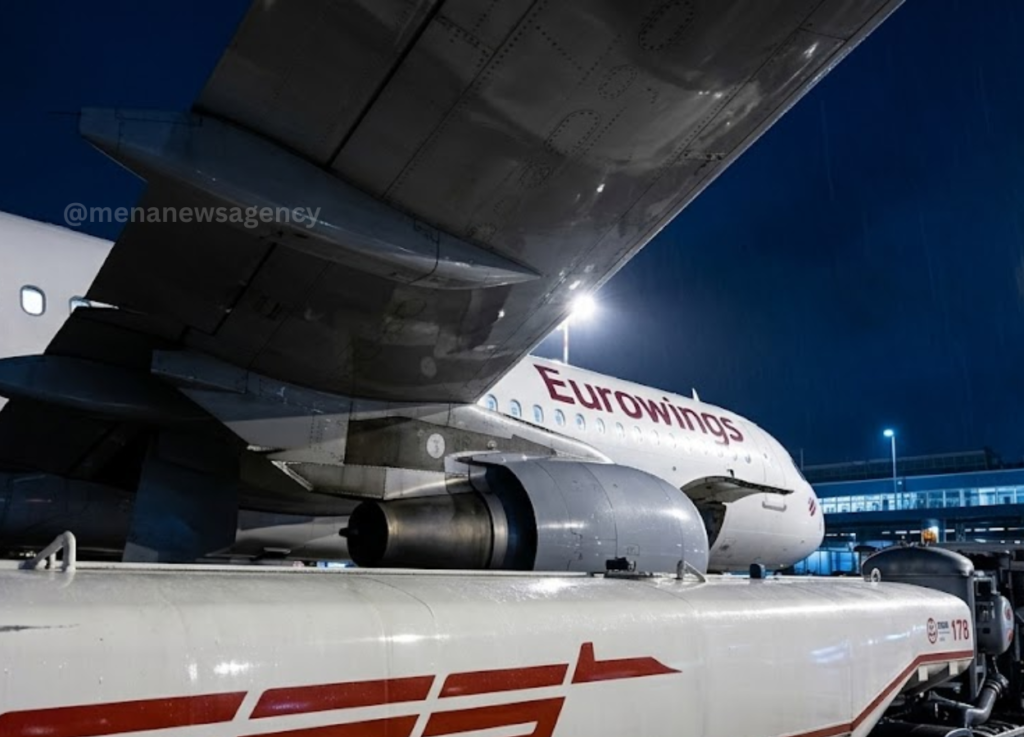
Market intelligence data highlights a widening divergence in global energy reserves. While European aviation hubs struggle under intense inventory pressures, other international markets remain relatively well-supplied. The United States is projected to maintain a modest surplus of 18,000 barrels per day through the final quarter, whereas the Asia-Pacific region holds a substantial buffer, estimated at an excess of 419,000 barrels per day.
To mitigate the widening supply gap, European importers have turned heavily toward East Asian refineries. Cargo tracking data from commodities analytics firm Kpler indicates that jet fuel exports from South Korea to European destinations surged to 129,000 barrels per day in September. This influx represents the highest monthly volume received from South Korean suppliers since October 2022.
Despite the surge in East Asian shipments, market analysts warn that extended transit times and high shipping costs mean these secondary channels cannot fully bridge the 500,000-plus barrel daily shortfall. With maritime security remaining volatile across key Middle Eastern bottlenecks, European aviation suppliers expect fuel supply tightness to persist well into the coming months, raising concerns over potential cost surges for international travelers and commercial freight operations.