





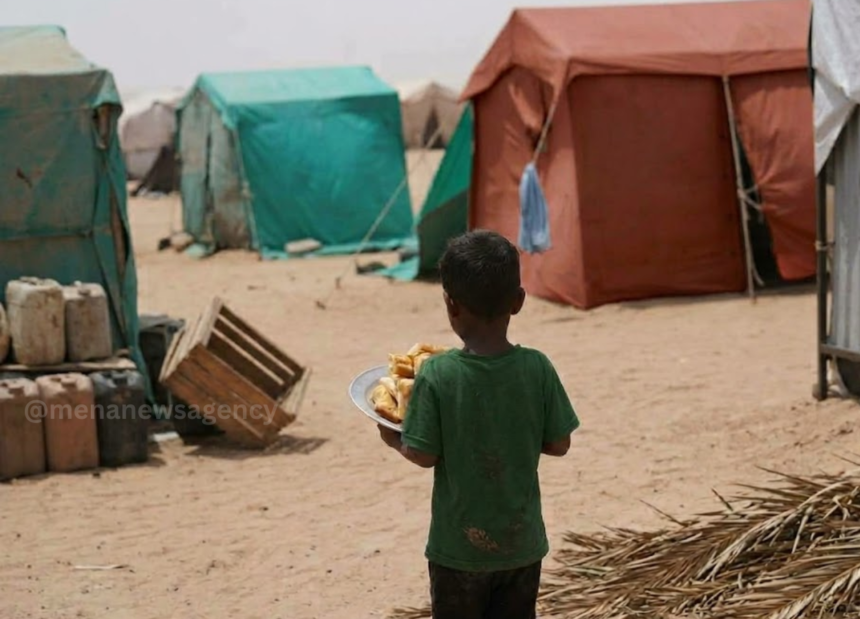

Food shortage in Yemen has hit its peak for this year owing to rising armed conflict and tough logistical restrictions that have put both the locals and the international supply chains at risk, as per the report by the World Food Programme (WFP).
According to Matthew Hollingworth, the Assistant Executive Director of the organization, almost 74% of households in areas accessible to the relief agencies cannot afford their basic nutritional requirements. The humanitarian crisis is worsening with each passing day in Yemen, where 18.3 million people face acute food shortages, out of which 2.2 million are children below five years of age.
Recent escalation in front line combat has forced over 150,000 individuals from their homes in recent weeks. Many displaced civilians have endured days of travel on foot toward southern hubs such as Lahj and Ta’iz without access to basic food or clean water. While relief agencies have successfully reached 70,000 newly displaced people and continue supporting 2.4 million residents in government-controlled regions, active hostilities have cut off aid to an estimated 350,000 vulnerable individuals in parts of Ta’iz and Hodeidah.
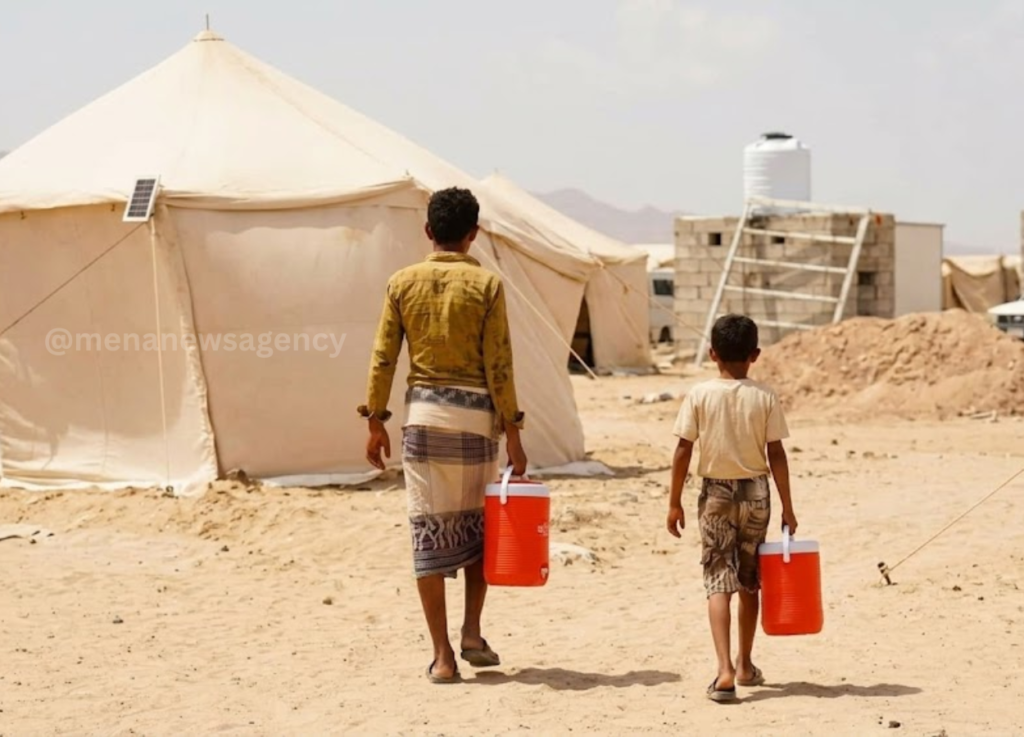
Beyond immediate local suffering, officials highlighted broader international risks associated with instability along the Bab al-Mandab Strait, a vital maritime corridor linking Red Sea trade routes for essential goods including grain, energy resources, and agricultural fertilizers. Operational challenges are further exacerbated by human resources crises; WFP continues to call for the prompt, unconditional release of 73 UN workers held by Houthi de facto authorities, a group that includes 38 agency employees.
To sustain life-saving interventions, the organization has temporarily redirected funds allocated for late-year distributions. However, WFP urgently requires $109 million for emergency response measures and an additional $158 million to maintain core assistance operations through March 2027.