





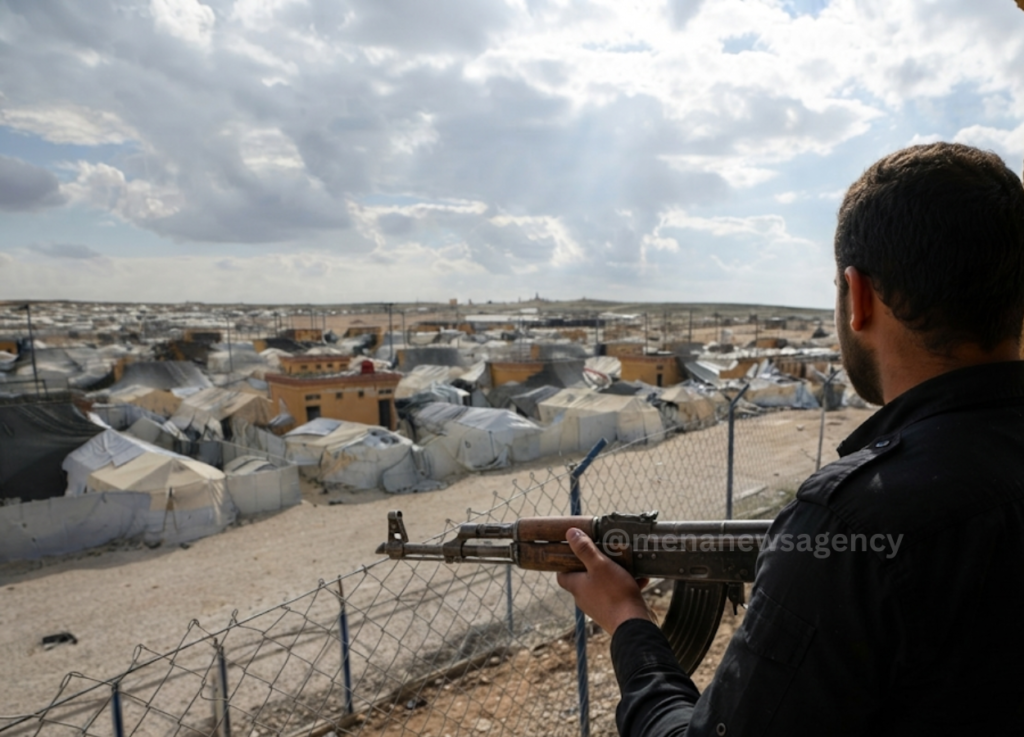
The drive to break down the Syrian displacement camps is gaining pace, thanks to the increasing number of internally displaced citizens returning to their homes. As per aid agencies, about 60,000 people have been supported in their return journey so far this year under the country’s “No Camps Vision” plan. Displaced Syrians return
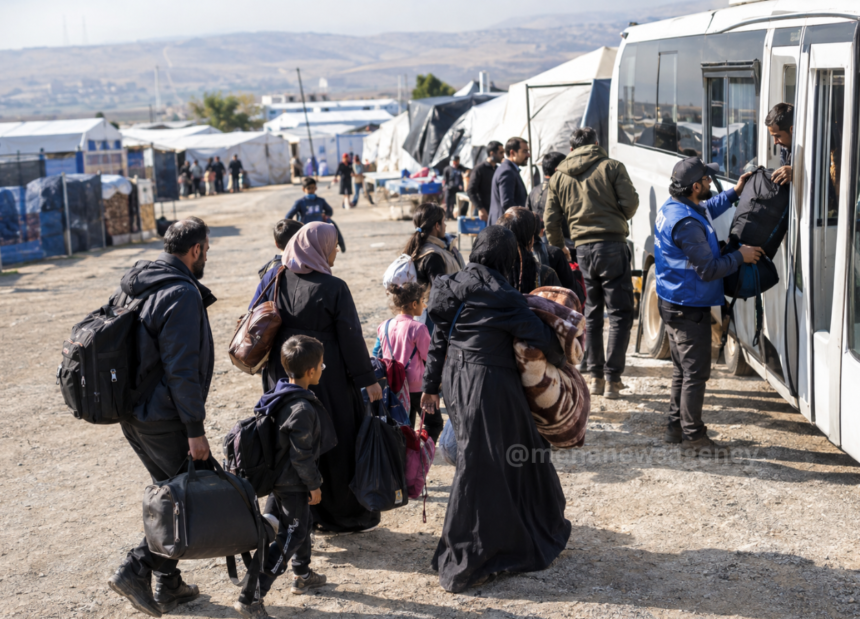
As per the UN Office for the Coordination of Humanitarian Affairs (OCHA) report, there was a sharp increase in the number of returns during the summer months. In July and August combined, there were 38,836 people leaving the informal camps, thereby making it possible for the aid agencies to shut down 130 camps. Mechanized returns included about 19,600 people through facilitated return channels using the public transportation system and logistics support to carry personal belongings.
In the latest organized movement, 263 families left northern camps for home districts in southern Idlib, Damascus, Aleppo, and Hama. The transport convoy was coordinated by the Idlib governorate alongside local and international relief organizations, including the UN Refugee Agency and the Syrian Arab Red Crescent. Local authorities confirmed the operations followed voluntary requests made under Presidential Decree No. 59, with future return convoys actively accepting registrations.
Despite steady return figures, international organizations emphasize that humanitarian relief priorities are rapidly shifting toward receiving districts. Vast tracks of infrastructure, water lines, grid power, schools, and health facilities across formerly active conflict zones require extensive structural recovery. Although regions like Raqqa governorate demonstrate encouraging stabilization metrics, economic fragility continues to jeopardize long-term reintegration prospects for impoverished families.
Since the eruption of conflict in March 2011, over 11 million individuals were forced from their homes across the country, with 7.4 million displaced internally. The political transition following the removal of Bashar Assad in December 2024 has further accelerated this humanitarian shift, driving over 1.87 million cross-border refugees and internal evacuees back toward their communities of origin. MENA News Agency