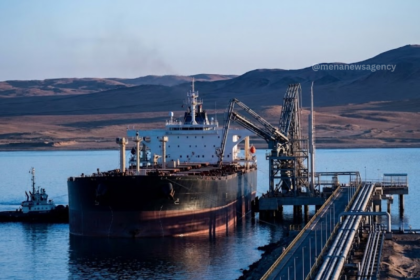
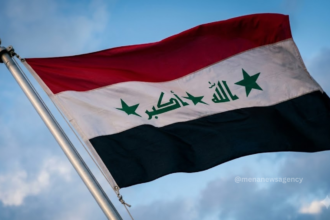



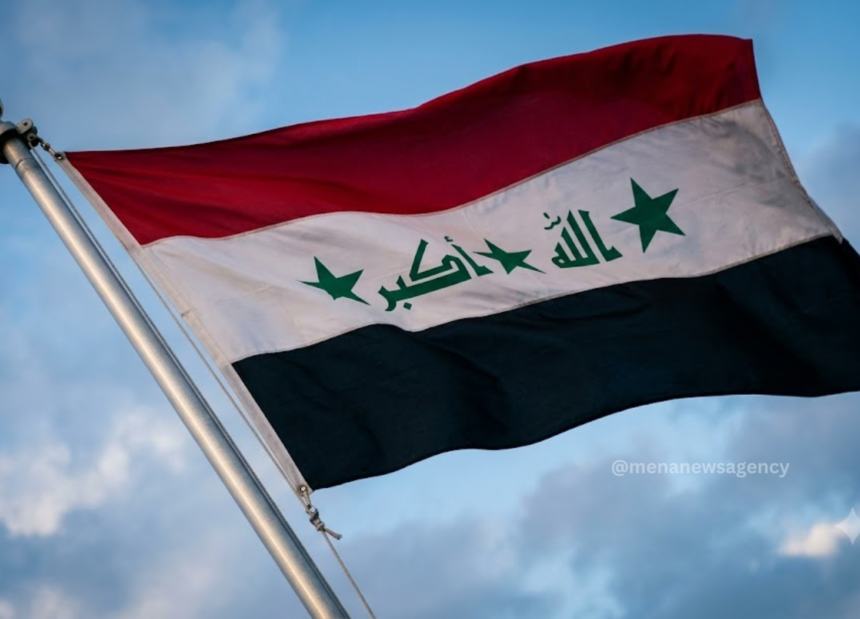

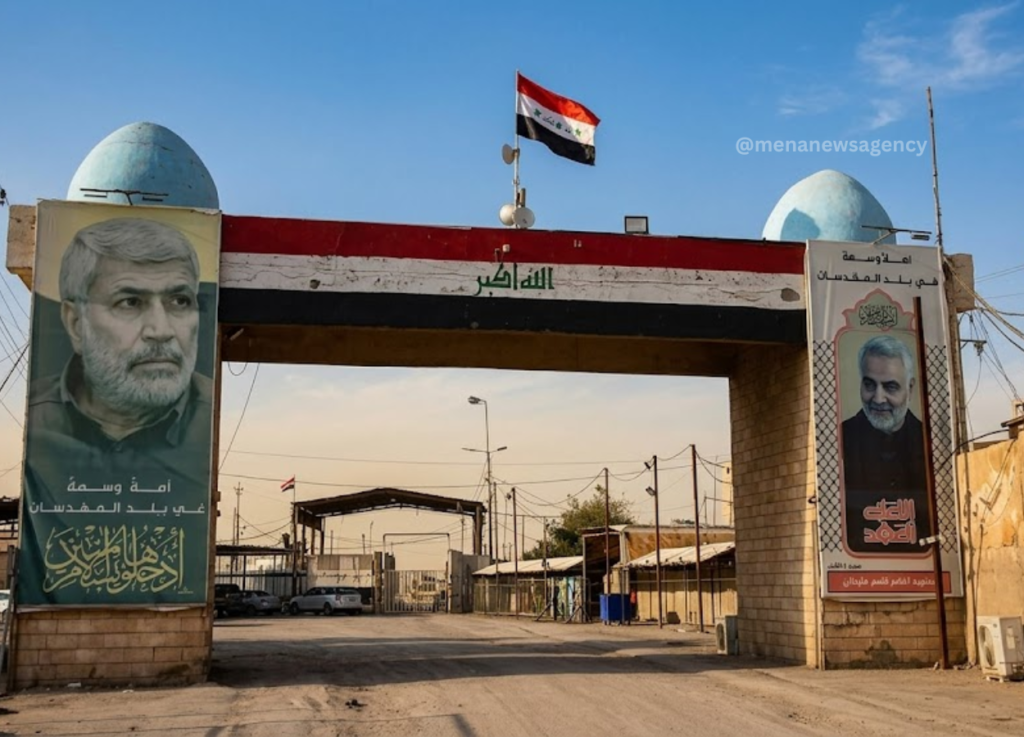
According to sources in the security apparatus, the Iraqi government has closed down the important land port at Shalamcheh situated on the border with Iran as part of an extensive security drive after drone strikes that had attacked vital oil infrastructure in Saudi Arabia.
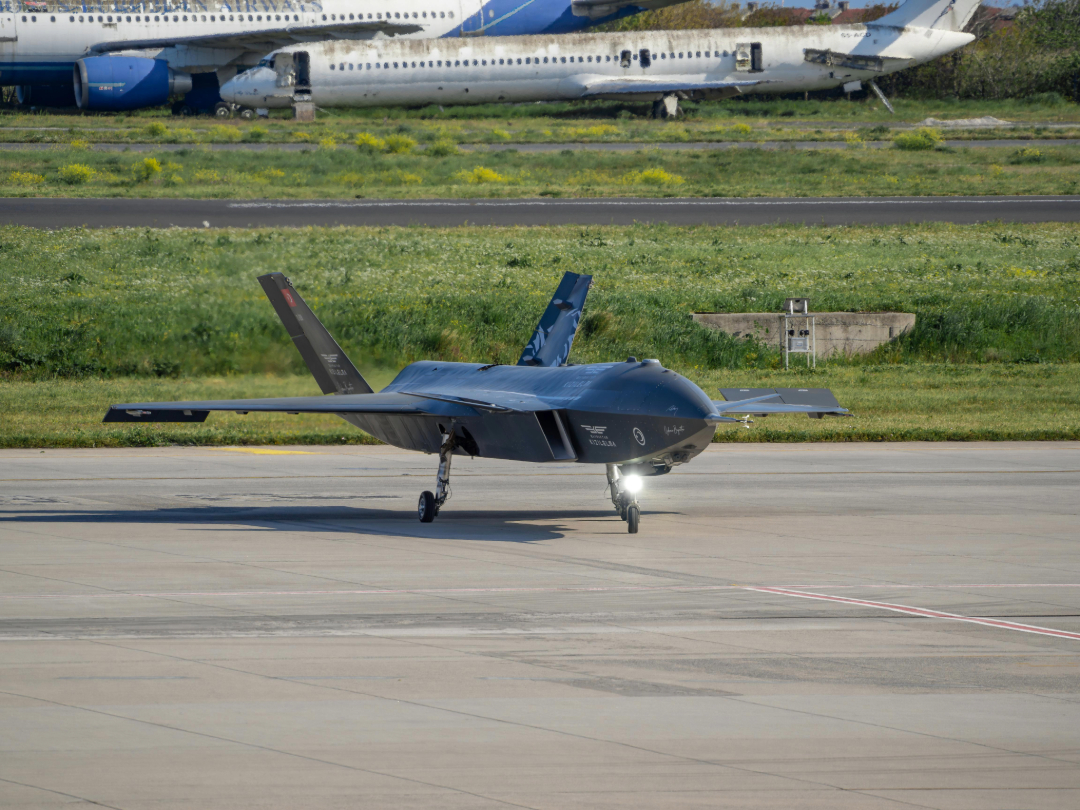
This closure of the important transit facility has come as the security forces started a widespread manhunt in Iraqi territory to find out the individuals responsible for the attacks on Saudi Arabia’s oil pipeline network using drones. According to Riyadh, the unmanned aircraft used in the attacks originated from within the territory of Iraq, increasing military vigilance along the entire region’s borders.
The land border shutdown coincides with escalating maritime tensions in adjacent Middle Eastern waters. Iranian military officials revealed that their forces launched newly developed, electro-optically guided anti-ship ballistic missiles toward American naval vessels operating in the region. General Mohsen Rezaei, Secretary of Iran’s Supreme National Security Council, stated that the operational test successfully targeted US Navy warships and forced them to alter their positions during blockade operations.
While Iranian commanders claimed the visual-tracking munitions—similar to the previously unveiled Qassem Basir medium-range system—inflicted severe operational disruption, US Central Command offered a contrasting account. American defence officials confirmed that incoming hostile projectiles were successfully neutralized by shipboard defensive systems without sustaining structural damage, after which US forces executed retaliatory strikes against launch positions.
The simultaneous border lockdown in southern Iraq and high-tech missile engagements in regional waterways highlight the rapid spillover of proxy friction into critical trade routes and energy corridors, keeping military units throughout the Gulf on high alert.
The diplomatic fallout from these dual developments continues to unfold across regional capitals. As Iraqi forces maintain their security perimeter along the eastern border, regional defense analysts warn that the introduction of advanced guidance technologies into maritime bottlenecks threatens to further destabilize vital energy transportation corridors throughout the Gulf.