




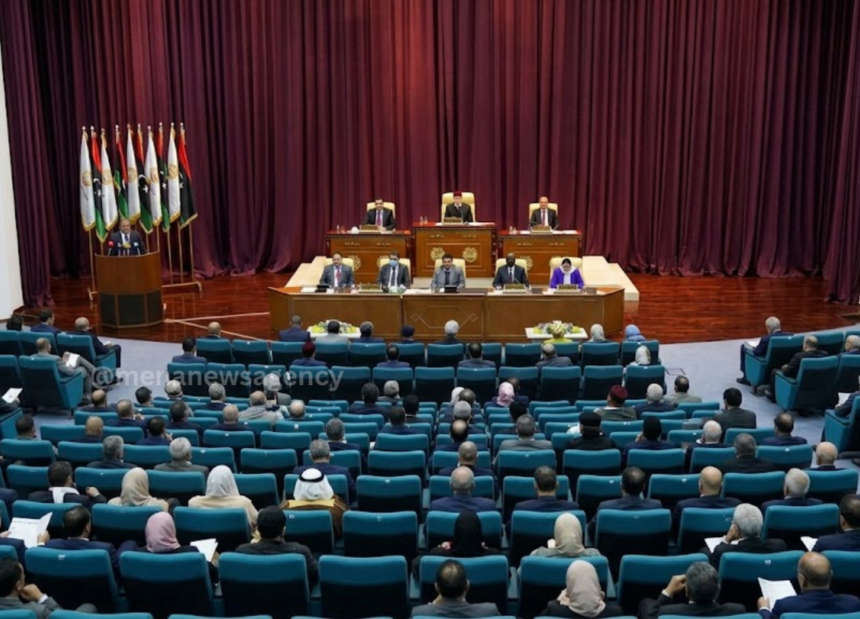

Al-Salihin Abdul Nabi al-Obeidi has been elected as the speaker of Libya’s House of Representatives, a position that saw a sudden turn in leadership among the lawmakers. The election process is done amid a session of the legislative institution in Benghazi that was officiated by the second deputy speaker, Misbah Doma. According to the spokesman for the House of Representatives, Abdullah Blihaq, the position marks an end to ten years’ rule under veteran politician Aguila Saleh.
This change in leadership came immediately after the parliamentarians made a move that changed the legislative process of the parliament. This happened on Monday when 98 out of 102 representatives in attendance voted to change the bylaws to have fixed terms of service in the legislature. According to law number 4/2014, the speaker had no mandatory term limit that would compel him to take periodic votes to seek his reelection as president.
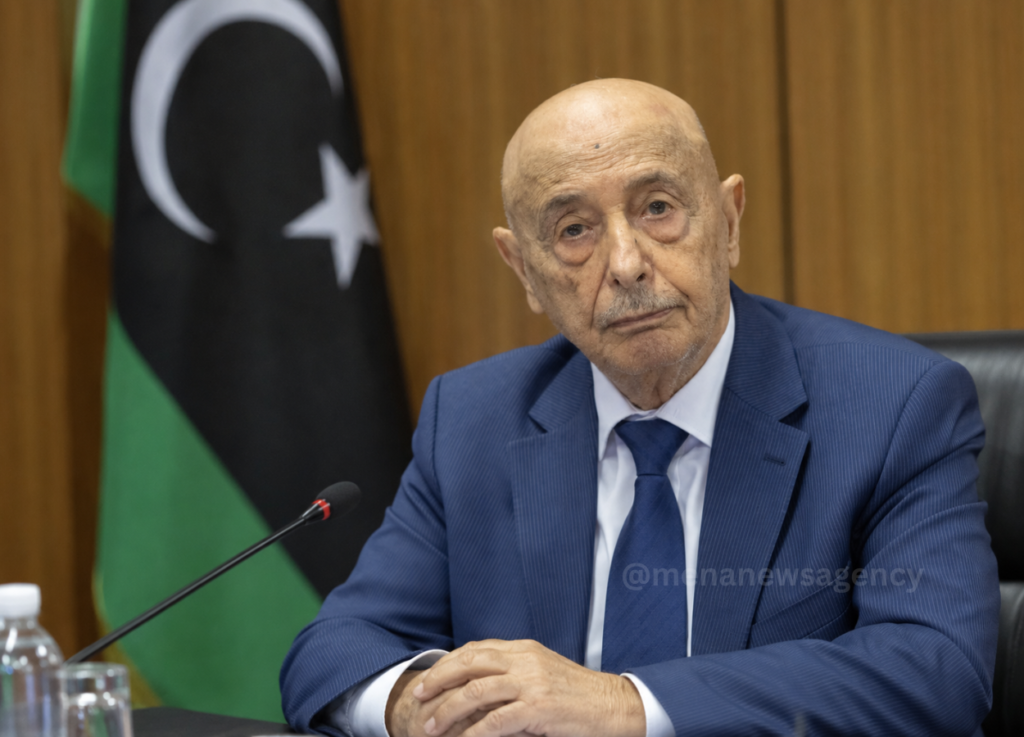
Al-Obeidi represents Tobruk’s first electoral district and brings a diplomatic background to the role. He sits on the Foreign Affairs Committee and formerly headed the Libyan-Turkish Parliamentary Friendship Committee, where he actively pursued economic, cultural, and parliamentary ties with Ankara. His elevation comes two weeks after 86 lawmakers issued a joint statement accusing Saleh of blocking access to parliamentary headquarters to prevent a quorum on structural governance reforms.
Former speaker Saleh rejected the proceedings, declaring the session illegal and void. In an official statement, Saleh asserted that the vote lacked legal standing because procedural requirements outlined in governing legislation were ignored. The political restructuring highlights persistent internal friction within eastern institutions, even as Libya remains administratively fractured between the House-backed government in Benghazi and the UN-recognized administration operating out of Tripoli.
The political shift takes place against a broader backdrop of international mediation efforts. United Nations diplomats have consistently urged all factions across Libya to establish stable institutions, overcome ongoing legislative gridlock, and agree on a unified legal framework capable of finally steering the nation toward long-delayed presidential and parliamentary elections.